

If you are divorcing in Dallas County, your legal journey centers on the heart of downtown—specifically the George L. Allen, Sr. Courts Building.
For residents of Casa Linda, Dallas – Lower Greenville, Greenway Parks, Bluffview, Lakewood, Preston Hollow, Park Cities, Highland Park, White Rock Lake, Turtle Creek, East Dallas, Irving, Richardson, Dallas, Grand Prairie, Mesquite, Garland, Farmers Branch, Carrollton, the George Allen building is the hub for all family law matters. The judges here handle a massive volume of cases and are known for their deep expertise in family law, as most of these courts are specialized specifically for family matters.
However, a key factor remains: You do not get to pick your judge.
When The Ashmore Law Firm files your divorce petition, the Dallas County District Clerk’s system randomly assigns your case to one of the designated Family District Courts. That judge (and their associate judge) will typically oversee your case from the initial temporary orders through to the final decree.
Here is your guide to the building, the judges, and the unwritten rules of the Dallas family courts.
The Venue: 600 Commerce Street
The family courts are located in the “New Tower” of the George L. Allen, Sr. Courts Building.
- The Address: 600 Commerce St, Dallas, TX 75202
- Ashmore’s Logistical Tips:
- Parking requires a plan: Unlike Collin County’s sprawling lots, parking in Downtown Dallas is a challenge. You will likely need to use a paid surface lot or a parking garage. Arrive early to ensure you find a spot and can walk to the building.
- Security is thorough: Expect a line at the metal detectors, especially during the morning rush. Give yourself at least 20–30 minutes to clear security.
- Electronics Policy: While cell phones are generally allowed, they must be silent or off in the courtroom. Dallas judges are notoriously protective of their court’s decorum. Recording video or taking photos anywhere in the courthouse is strictly forbidden without express permission.
The Judges: Who Is Deciding Your Case?
Dallas County is unique because it has seven district courts dedicated exclusively to family law. These judges spend 100% of their time on divorces, custody battles, and property disputes.
The Family District Courts (2026 Lineup)
- 254th District Court: Judge Kim Brown
- The Insight: Known for her extensive experience with child welfare and family crisis situations, Judge Brown emphasizes stability and safety for children.
- 255th District Court: Judge Vonda Bailey
- The Insight: “Judge Vonda B.” is well-regarded for her community engagement and for maintaining an efficient, highly organized courtroom.
- 256th District Court: Judge Sandre M. Streete
- The Insight: Judge Streete is known for her meticulous attention to detail and her focus on the technical application of the Texas Family Code.
- 301st District Court: Judge Ashley Wysocki
- The Insight: Recently appointed to this bench following the retirement of Judge Mary Brown, Judge Wysocki brings years of experience from multiple other district courts and is known for her balanced, procedural approach.
- 302nd District Court: Judge Sandra Jackson
- The Insight: Judge Jackson often utilizes her bench to advocate for fairness and is respected for her patience with litigants in high-stress situations.
- 303rd District Court: Judge LaDeitra Adkins
- The Insight: Judge Adkins focuses heavily on the “best interest of the child” standard and is known for being decisive in custody disputes.
- 330th District Court: Judge Andrea D. Plumlee
- The Insight: As the Local Administrative District Judge, Judge Plumlee is a leader in the courthouse. She is highly experienced and values professional conduct from all attorneys and parties.
Ashmore Law Tip: “We often hear, ‘Can I request a different judge?’ Generally, the answer is no. You are assigned to a court for the duration of your case. This makes it vital to work with a legal team that understands the specific ‘vibe’ and preferences of your assigned judge. A strategy that works in the 255th might need to be adjusted for the 330th.”
The “Dallas Way”: Unwritten Rules
While the law is the same across Texas, every county has its own culture. In Dallas, keep these three things in mind:
1. The Power of the Associate Judge
In Dallas, many initial hearings (like Temporary Orders) are heard by an Associate Judge rather than the elected District Judge. These associate judges are family law experts appointed by the District Judge to help manage the heavy caseload. Their rulings are binding, though they can be appealed to the District Judge in certain circumstances.
2. Mandatory Mediation
Dallas County is a strong proponent of Alternative Dispute Resolution.
- The Rule: Most Dallas judges will not grant you a final trial date until you have attempted mediation.
- The Reality: Mediation is where most Dallas divorces are actually won or lost. It allows you to maintain control over the outcome rather than leaving it to the judge.
3. Courtroom Decorum & Dress
Dallas is a professional “big city” environment. The judges expect litigants to dress conservatively—think “Sunday Best” or professional business attire. Showing respect for the court through your appearance can influence the judge’s first impression of your credibility and seriousness.
Why Local Representation Matters
Navigating the George Allen building can be intimidating. You need a legal team that doesn’t just know the law, but knows the people. At The Ashmore Law Firm, we have spent decades practicing in these specific courtrooms. We know which judges prioritize detailed property spreadsheets and which ones are most moved by co-parenting success stories.
Next Step: Now that you know who the judges are, it’s important to understand the rules they’ve already set for you. Read our guide to Why Dallas County Judges Rarely Deviate from the Standard Possession Order.

Gary Ashmore
A trusted name in family law, Gary brings over two decades of experience in divorce litigation and negotiation. Known for his strategic thinking and calm demeanor, he is a steady guide through even the most challenging disputes.

Lori Ashmore Peters
With a deep background in estate planning, probate and business planning, Mrs. Peters brings a high level of financial insight to matters involving significant assets, business ownership and long term wealth preservation.

Hamid Naraghi
Hamid focuses on protecting client rights with thorough legal analysis and practical advice. He is a strong advocate in court and a thoughtful problem-solver when resolution is possible outside the courtroom.
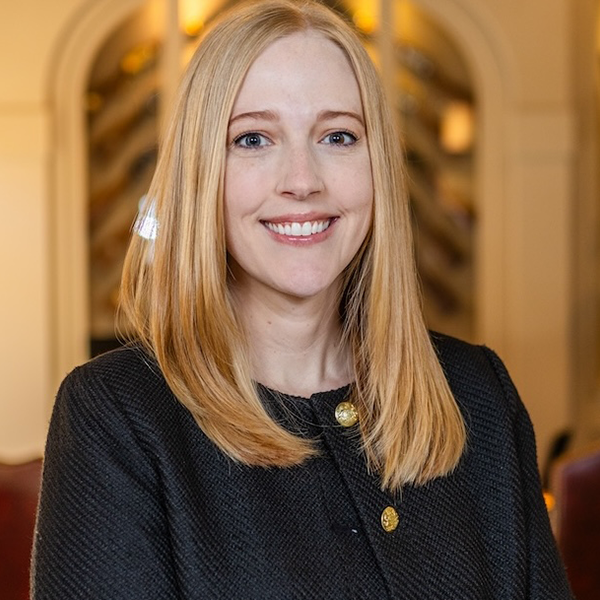
Samantha Matthews
Samantha brings both knowledge and empathy to every case. She works hard to understand each client’s unique needs and build a legal strategy that fits their personal goals.



Schedule Your Confidential Conversation Today
Don't face this alone. Our Dallas divorce team is ready to listen to your story and explain your options. We provide clear, honest advice so you can make the best decision for your future.
Call us today at (214) 997-2821 or fill out the simple form below. Our team will get back to you right away.