

While divorcing in Dallas involves the George Allen building and Collin County focuses on Bloomdale Road in McKinney, if your case is filed in Tarrant County, your destination is downtown Fort Worth—specifically the Tarrant County Family Law Center.
For residents of Fort Worth, Forest Hill, Colleyville, Westover Hills, Westlake, Keller, Southlake, Arlington, Fort Worth, Grapevine, Euless, Bedford, Hurst, North Richland Hills, Haltom City, Mansfield, Saginaw, Watauga, Crowley, Benbrook, Richland Hills, Lake Worth, Azle, this modern facility on Weatherford Street is where your family’s future will be decided. Unlike some counties that mix civil and criminal cases, Tarrant County has several district courts dedicated exclusively to family law, ensuring that the judges presiding over your case are true specialists in the field.
As with our neighboring counties, you do not get to pick your judge. When The Ashmore Law Firm files your case, it is randomly assigned by the District Clerk’s computer to one of the designated Family District Courts. From that moment on, that court (and its corresponding Associate Judge) will handle every aspect of your divorce or custody matter.
The Venue: 200 East Weatherford Street
The Tarrant County Family Law Center is located just blocks away from the historic Tarrant County Courthouse.
- The Address: 200 E. Weatherford St, Fort Worth, TX 76196
- Ashmore’s Logistical Tips:
- No Free Parking: Unlike McKinney, there is no free parking at the courthouse. The most convenient option is the Calhoun Street Parking Garage (located at the corner of Weatherford and Calhoun), which typically costs around $10 for a full day.
- The Security Process: Tarrant County security is professional and efficient, but Monday mornings and the 8:30 a.m. docket “rush” can cause delays. Aim to arrive at least 30 minutes before your scheduled hearing.
- Technology Rules: You may bring your phone, but it must be completely silent. Any disruption in the courtroom can lead to a stern warning or removal. Photography and video recording are strictly prohibited inside the building.
The Judges: Who Is Deciding Your Future?
Tarrant County’s family courts are located on the 4th and 5th floors of the Family Law Center. These judges are known for running high-volume dockets and expecting a high level of preparedness from attorneys.
The Family District Courts (2026 Lineup)
- 231st District Court: Judge Jesus Nevarez, Jr.
- The Insight: Judge Nevarez is known for his calm demeanor and focus on fairness. He expects parties to have attempted to resolve their issues before bringing them to his bench.
- 233rd District Court: Judge Kenneth Newell
- The Insight: A veteran of the Tarrant County family courts, Judge Newell is respected for his deep knowledge of the Texas Family Code and his direct, no-nonsense approach in the courtroom.
- 322nd District Court: Judge James Munford
- The Insight: Judge Munford places a high priority on the “best interest of the child.” He is known for being thoughtful and deliberate in complex custody disputes.
- 324th District Court: Judge Beth A. Poulos
- The Insight: Judge Poulos is highly efficient and expects attorneys to be “trial-ready.” She is known for her strict adherence to procedural rules and courtroom decorum.
- 325th District Court: Judge Cynthia Terry
- The Insight: Judge Terry brings a balanced perspective to the bench and is known for her thoroughness in reviewing property division and financial disclosures.
- 360th District Court: Judge Patricia Baca Bennett
- The Insight: Judge Bennett is famously direct. She values honesty and has little patience for “gamesmanship” or inflammatory behavior from litigants.
Ashmore Law Tip: “In Tarrant County, your first encounter will often be with an Associate Judge (like Kevin Schmid, Kate Stone, or Jeffery Kaitcer). These judges handle the bulk of the temporary hearings. Knowing the preferences of both the District Judge and their Associate is the key to a successful Tarrant County strategy.”
The “Tarrant County Way”: Unwritten Rules
If you are navigating the Fort Worth legal system, keep these local expectations in mind:
1. The “TRO” Culture
As we’ve discussed in our [Tarrant County Standing Order guide], this county does not have a default automatic standing order. Instead, most Tarrant County judges expect a Temporary Restraining Order (TRO) to be filed at the start of the case to set the ground rules for conduct and property.
2. Mediation is Non-Negotiable
Tarrant County judges are strong believers in settlement.
- The Expectation: Almost every judge in the Family Law Center will order mediation before they allow a case to go to a final trial.
- The Logic: Fort Worth judges believe that parents are better equipped to make decisions for their children than a stranger in a black robe.
3. Children and the Courtroom
Do not bring your children to 200 E. Weatherford Street unless you have been specifically ordered to do so. Tarrant County judges generally view the courthouse as an inappropriate environment for children, and bringing them without a court order can be seen as a lack of parental judgment.
Why Local Representation Matters
Tarrant County has its own unique “legal language.” A strategy that works in Dallas might be viewed differently in Fort Worth. At The Ashmore Law Firm, we have spent years building a reputation for excellence in front of these specific judges. We know who prioritizes mediation, who is strict about financial spreadsheets, and who values co-parenting above all else.
Next Step: Understanding the judges is only half the battle. You also need to know the rules they’ve put in place the moment you file. Read our guide to The Tarrant County TRO: What You Can and Cannot Do the Moment You File for Divorce.

Gary Ashmore
A trusted name in family law, Gary brings over two decades of experience in divorce litigation and negotiation. Known for his strategic thinking and calm demeanor, he is a steady guide through even the most challenging disputes.
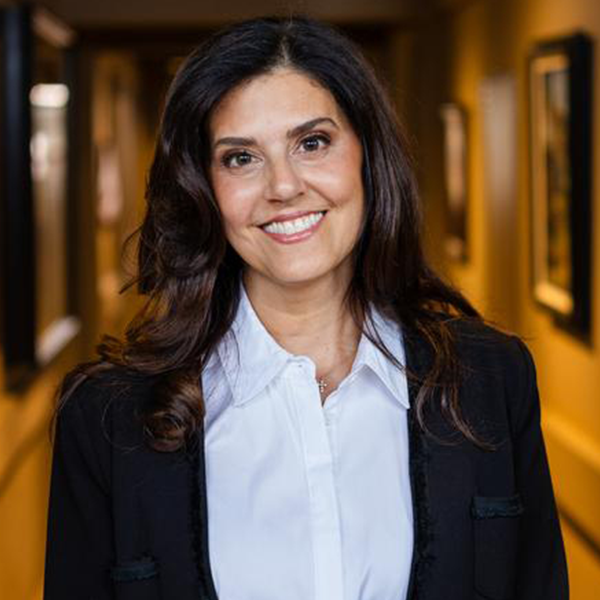
Lori Ashmore Peters
With a deep background in estate planning, probate and business planning, Mrs. Peters brings a high level of financial insight to matters involving significant assets, business ownership and long term wealth preservation.
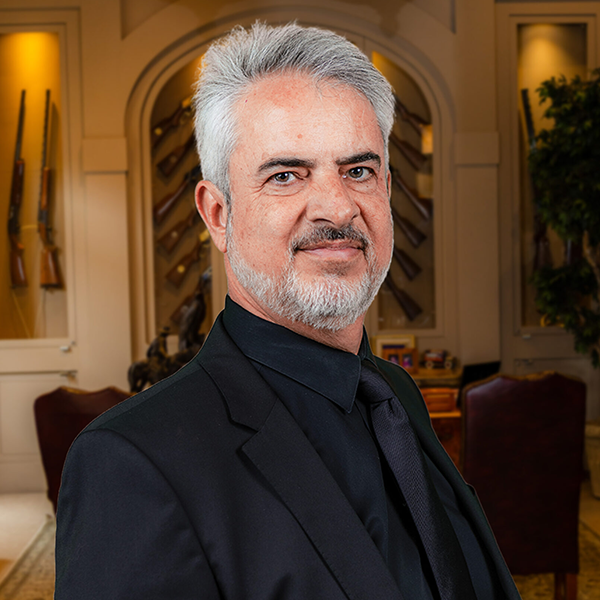
Hamid Naraghi
Hamid focuses on protecting client rights with thorough legal analysis and practical advice. He is a strong advocate in court and a thoughtful problem-solver when resolution is possible outside the courtroom.
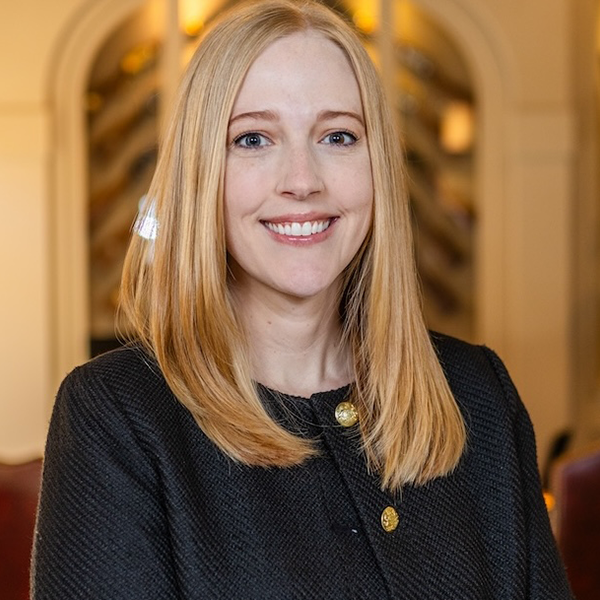
Samantha Matthews
Samantha brings both knowledge and empathy to every case. She works hard to understand each client’s unique needs and build a legal strategy that fits their personal goals.



Schedule Your Confidential Conversation Today
Don't face this alone. Our Dallas divorce team is ready to listen to your story and explain your options. We provide clear, honest advice so you can make the best decision for your future.
Call us today at (214) 997-2821 or fill out the simple form below. Our team will get back to you right away.